Microbes: The underground workforce on the quest for productivity
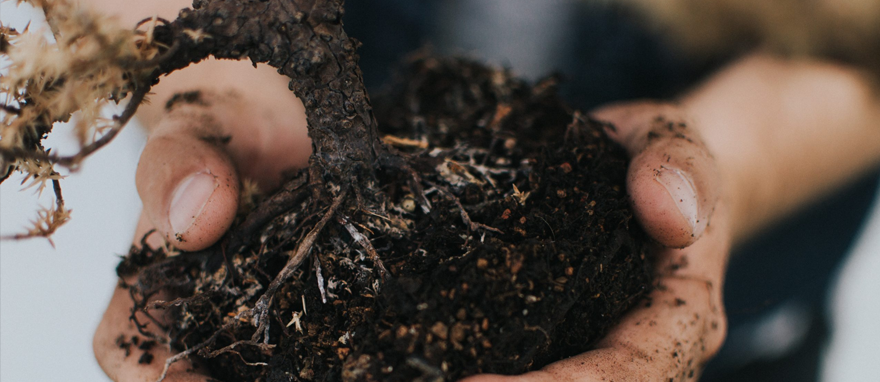
Vibrant populations of soil fauna are a critical component of a healthy, productive soil.
You can’t really have one without the other. Earthworms are an easy and obvious sign of good soil health – lots of earthworms = healthy soil = good productivity. Simple. When we talk about soil biology, though, there is so much more than meets the eye. It is estimated that one acre of productive soil can host upwards of two metric tons of microscopic fungi and bacteria. Invisible to the naked eye, yet ever-present, these communities of microbes quietly perform beneficial functions such as mineralization, digestion of organic residue, fixing of atmospheric nitrogen, formation of symbiotic relationships with plant roots, suppression of certain pathogens and more.
In the very necessary quest for higher yields (we’ve all heard about the 10 billion people the world needs to feed), many common practices that we undertake in modern agriculture have the (usually) unintended effect of damaging these important microbial communities. Tillage disrupts mycorrhizae, compaction creates unfavorable anaerobic conditions, high-salt fertilizers can be toxic, fungicides are indiscriminate and often kill beneficial fungi just as well as their target pathogen, and soil fumigation purposefully destroys as mush soil life as it can. Its hard out there for a microbe!
We don’t raise this with the intent of discrediting any single agricultural practice. With the aforementioned need to feed an ever-growing population, all types of agriculture are valuable and necessary.
That said, it is important to keep our underground workforce in mind and consider how we can create conditions for them to thrive.
While not a silver bullet to solving your soil health woes, (sorry – there are no silver bullets), humic substances are one tool that, in combination with other good crop management practices, can be used to promote biological life in the soil.
As is always the case in soil science there are many complex processes occurring at once and just how humic substances impact biology is the subject of some debate. Microbes DO digest carbon – active organic matter like crop residue, animal / insect carcasses, root exudates and the like – which is part of the humification process that turns carbon into humus over long periods of time. Humic substances themselves, however, are broken down and decomposed to a degree that they would provide little to no nutritional value and thus are not a likely an attractive food source for microbes. Rather than as a food source, the support humic substances provide to microbial communities is more likely related to the provision of structure, binding of toxins, redox reactions, stimulation of plants to produce root exudates, and other complex processes.
Given the different means by which humic acids can support biology, different applications will be beneficial in different ways.
- Broadcast application of dry granular material. A broadcast application is the “shotgun approach” where we’re applying a high rate (>100 lb / ac) as a general soil amendment. This is the overall lowest cost means of applying a high rate of humic acid to the soil and, while there may be some breakdown period required before seeing results (depending on soil type), the benefits are broad-based. You’ll get some soil structure benefit, some CEC and moisture retention, and the presence of the humin fraction will provide structure for bacteria.
- Band applications (either dry or liquid), particularly in the seed row, would be a more targeted application (the “rifle approach”), where we’re only targeting the root zone. The expected benefits in this case would be chelation of nutrients, early season root growth, and the stimulation of plant roots to produce exudates that microbes will thrive upon.
For the most part, soil microbes are out of sight, out of mind. When they do become visible, it is often in the form of a fungal or bacterial disease. However, these are the exceptions and it is important to remember that, in the grander scheme, we rely on these microbial communities to perform all the functions we expect from a healthy soil. Keep your soil health in mind when making crop protection decisions – building soil biology is building an underground workforce that never takes a day off! Take care of your soil biology, and your soil biology will take care of you.