Soil Amendment Functions in Comparison with Humic Substances

The soil is composed in a variety of ways and with very different characteristics depending on its geological formation, its location, the climate, the ecosystem where it is integrated, and the use or exploitation it has.
When we analyze soil comprehensively and thus be able to give it adequate management to enhance its production in a sustainable way, we must take into account that the soil must be analyzed from three large areas: Soil physics, soil chemistry, and the organic part. All these areas are very intertwined and of course, influence each other. It is important to take into account that what we do in managing each one also affects what happens in the others.
When we talk about soil physics we refer to the physical structure of the soil, the type of clay, the size of the aggregates, pore space, soil moisture, apparent density, drainage, permeability, and aeration. For this reason, when we study this area, different solutions are sought to manage it appropriately, allowing us to maximize the use of the land, according to the productive activity we have, but we must not fail to take into account that these physical characteristics are associated with organic matter and also with soil chemistry.
The other major area of soil management is chemistry. Here we analyze everything related to the mineral content of the soil, pH, exchangeable acidity, cation exchange capacity, base saturation, etc. All these values are related to all the chemical components that are associated with the chemical fertilization of the soil.
Traditional agriculture has given a lot of emphasis to the study of the soil from this area. Chemical fertilization has been supported to increase the productivity of the soil taking many parameters and measurements, however unfortunately it has neglected the two other large areas, mainly organic, and this is the one that has been strongly affected. The formula has worked when the organic reserve bank has been there but as it has been lost, efficiency has decreased significantly. formula has worked when the organic reserve bank has been there but as it has been lost, efficiency has decreased significantly.
Of course costs have increased, since each plants are becoming more susceptible and dependent on the use of agrochemicals to combat diseases and pests. The microbiological balance has been lost due to excessive chemistry and therefore pathogen problems have increased.
The third large group where soil health management has turned its eyes to try to reverse productive problems, environmental problems and human health is soil organic matter. Here we analyze this large group that is precisely what gives life to the soil, since today the soil is considered to be a living entity. When we analyze organized matter we have to be clear that in it we have a very large group of organic matter that is alive and in constant change and evolution. It is composed of all the living roots of the plants and all the macro and microbiological fauna of the soil. The other group of organic matter is that which is dead, that is, all those compounds that have initiated a transformation process after the death of plants, animals and soil macroand microorganisms.
All these compounds are in the process of mineralization and humification and the majority are consumed in the ecosystem and are also released into the environment in the form of CO2 and other gases. A smaller fraction is transformed into more stable compounds that are fixed to the clays. of soil, these compounds are humic substances, which form precisely that reserve bank of the soil, giving rise to the soil and forming the famous humic clay compound of the soil.
Today we find different products offered on the market to work the soil more sustainably using more natural sources or using waste from other industries with the purpose of increasing fertility. It is important to make it clear that the use of these materials can be very effective as long as we know very well their function within the soil and of course the variables in which they act so as not to make mistakes and rather to be able to use them appropriately and not commit mistakes. Same mistakes of traditional chemistry in the past.
Let’s quickly refer to some of these products and their relationship with the areas indicated above.
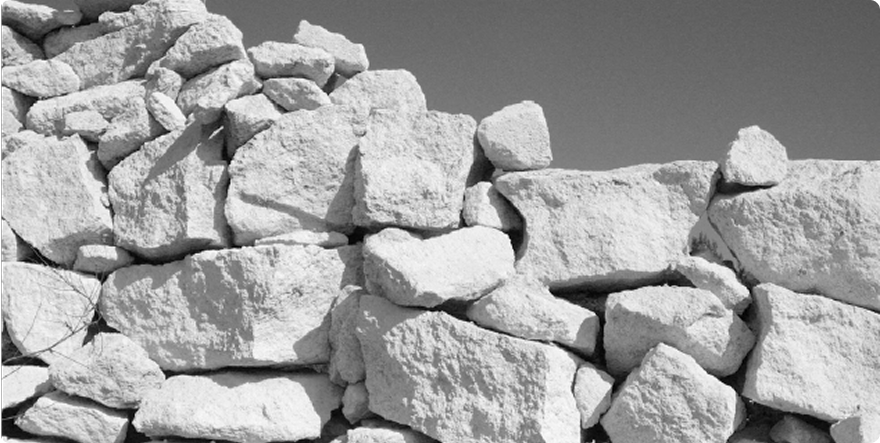
Gypsum
This is a product that can be extracted naturally from mines, or can be a by-product of industrial processes such as gypsum construction panel design, chemical processes derived from the manufacture of phosphoric acid as well as casting and other industrial processes. Gypsum can be used in agriculture and its main function is within soil chemistry, since it is used to reduce the level of exchangeable aluminum and its activity and reduce the saturation of aluminum in the exchange complex of the soil. The calcium contained in the gypsum participates in the flocculation processes of particles, mainly clays, which allows the aggregation and structuring of the soil. It provides calcium to the soil, maintaining cationic relationships at ideal levels. Increase the availability of nutrients such as phosphorus, potassium and calcium. Increases the cationic exchange capacity. Supplies calcium (Ca) and sulfur (S) to plants. Gypsum is a product to be used in acidic soils, either due to its natural formation, or due to acidity induced with the use of fertilizers.
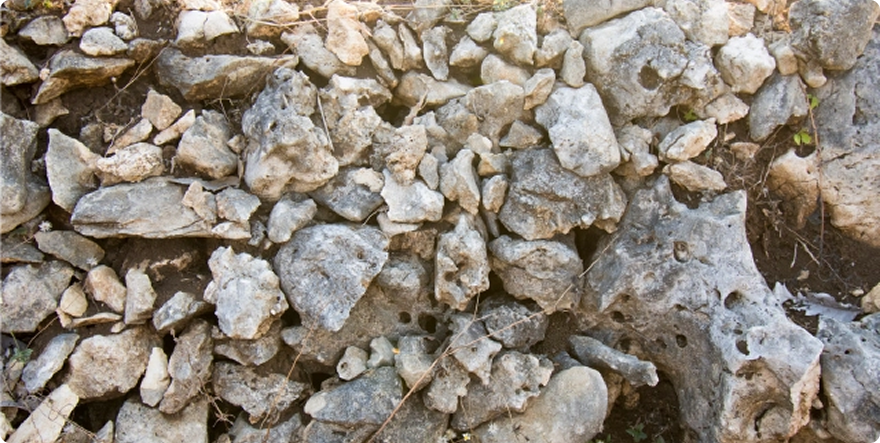
Lime
In the agricultural environment, different types of materials are used to lime soils, among which are: calcium carbonate, calcium and magnesium carbonate (dolomite), calcium oxide or calcium hydroxide. These materials act directly on soil chemistry, mainly in the control of soil acidity, whether natural or induced by chemical fertilization. They are also highly important mineral sources such as calcium and magnesium. By neutralizing the acidity of the soil, other elements such as phosphorus are also solubilized, giving greater availability of minerals for use by plants and microbiology. Ultimately, the use of these sources to neutralize the acidity of soils is key to the productivity and development of plants.
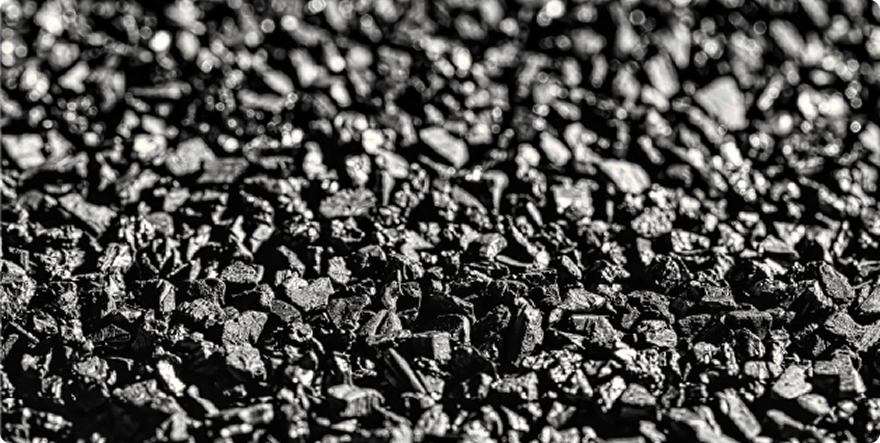
Activated Carbon
It is a component and adsorbent material of plant or mineral origin and highly porous inside and charcoal is obtained with a gas present and is chemically activated with phosphoric acid. This characteristic of high activated porosity mediates the chemical process of making a highly adsorbent material. This refers to the adhesion of atoms, ions or molecules of a gas, liquid or dissolved solid on a surface. This causes the filter carbon to make and cause different substances to become trapped within it, instead of mixing with the fluid. In other words, it traps other compounds that we are not interested in, and this includes gases and dissolved solids, as well as liquids. For this reason, activated carbon in agriculture is used to decontaminate water bodies or soils highly contaminated by chemicals, for this reason, although carbon also contains organic matter content, its use is more oriented to soil chemistry and processes. of decontamination or toxicity that may occur in it.
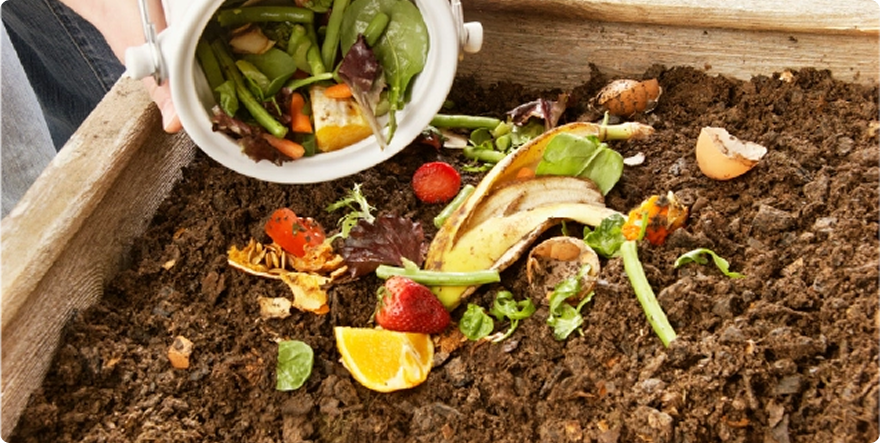
Compost
Compost is the product obtained from the review of organic matter under controlled conditions of specific temperature and humidity (and in the presence of oxygen). This can be used as fertilizer or organic amendment, due to its high nutrient content. Any organic design from industry, agriculture or livestock production can be subjected to the composting process. The proper composting process is essential to have a very good product quality and to provide all the benefits that come with incorporating organic matter into the soil. In general, the incorporation of organic matter through a good composting process brings multiple benefits to the soil in a balanced way from the physical, chemical and organic point of view, this being one of the materials that best restores agricultural soils. The incorporation of matter after a good composting process favors the structure of the soil, stimulates the formation of beneficial microorganisms, increases nutrient retention, increases water retention, favors soil oxygenation, reduces erosion and physical wear and tear. chemical. ground. A very important aspect is that most of the organic compounds that exist in compost are quickly transformed by microbiology and are quickly assimilated by the system and a proportion is released into the environment in the form of CO2, for this reason their incorporation must be constant. and rational.
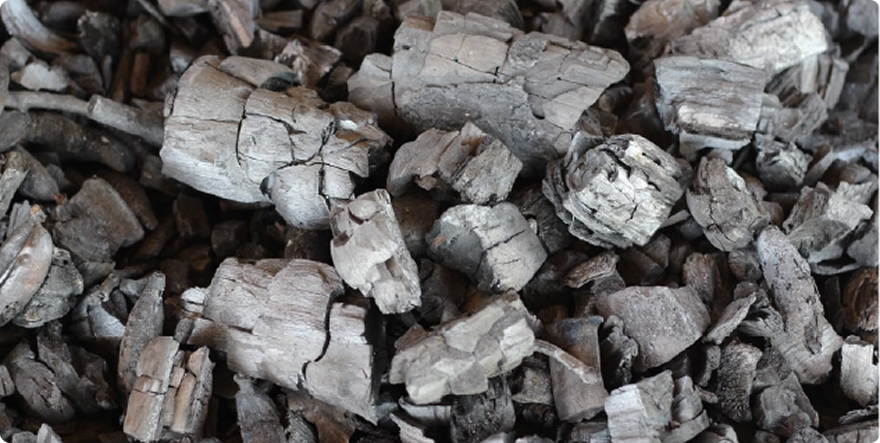
Biochar
Biochar is produced through a process called pyrolysis, which consists of exposing biomass to high temperatures in the absence of oxygen, and then applying it to the soil. It is a process similar to the one that has usually been used in coal mines. Through this process, plant residues derived from some industries can be used and this carbon is incorporated into the soil. The carbon in Biochar adsorbs organic and inorganic nutrients, slowly releasing them into the soil and these in turn are used by soil microorganisms and plant roots. Biochar increases the efficiency of fertilizer consumption by avoiding losses due to leaching, promotes the settlement of beneficial microorganisms around the rhizosphere, increases the cation exchange capacity, has a marked tendency to stabilize the pH, improves the structure of the soil and its water retention capacity and favors the formation of stable organic compounds in the soil. Although it is true that biochar is an excellent source of carbon and can be beneficial for recycling organic waste, it has the disadvantage of high energy consumption to carry out its process, and the poorly controlled process can generate gases into the atmosphere.
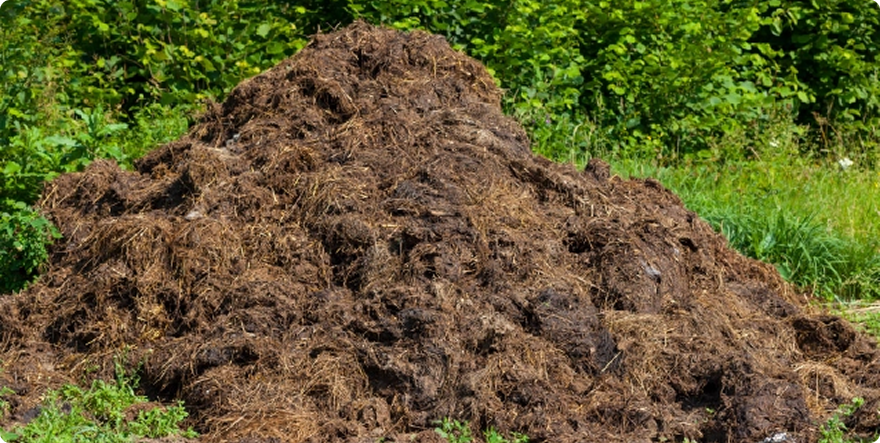
Manure
This material consists of the use of manure generated by animals in livestock production processes. The use of this organic matter source also contributes to better physical, chemical and organic conditions of the soil. Of course, returning this organic matter is an excellent way to use it, however we have to keep in mind that it does not carry out an adequate waste management process. This waste can cause many problems in the soil and instead of providing a benefit we can introduce problems such as pathogens.
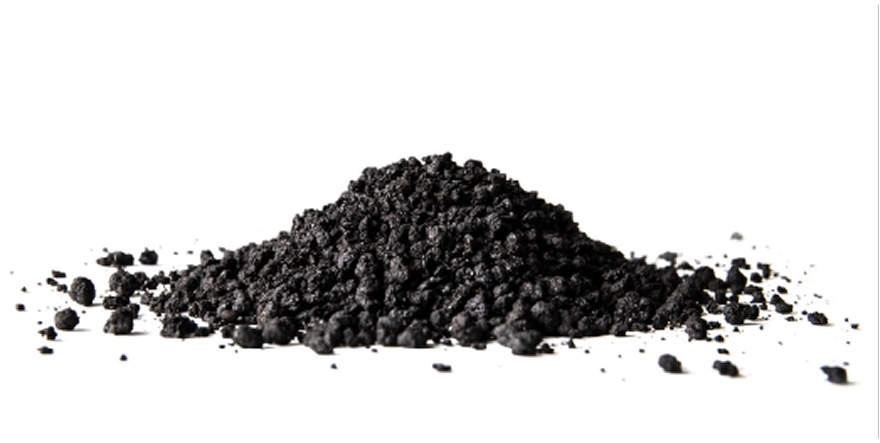
Humic Acids
Humic acids from Humalite are one of the most balanced products for the comprehensive treatment of soils, both from a physical, chemical and organic point of view. Humic acids come from a natural source of mines, they are not products of any transformation that means high energy demand, they are clean technology ready to be used and incorporate the most stable, active forms of carbon in the way they are needed in the soil. Humic substances are already humified compounds that enter directly into the soil, they do not need any transformation process within it to carry out the multiple functions and benefits that they provide, humic substances form the clay-humic compound of the soil, here a contributor to form soil structures, improve water retention, oxygenation, and all physical aspects of the soil. From a chemical point of view, it performs all chemical functions to promote the availability of nutrients for plants and soil microbiology. Of course, these forms of carbon in humic substances are ideal for enriching the organic content that soils need.
It is very important to mention that although it is true that humic substances from Canadian humalite are the best material to remediate and condition soils, it does not mean that the previous products are excluded and serve as a comprehensive treatment.