The Benefits of using Humic Substances in Alkaline Soil Conditions
What is Alkaline Soil?
pH is the base 10 logarithmic scale used to measure the concentration of hydrogen ions. When a soils pH is above 7 it is termed to be alkaline. A soil with a pH of 8 would be ten times more alkaline than a pH of 7. Significant differences offer different challenges with nutrient availability.
How Does Alkalinity Affect Crop Performance?
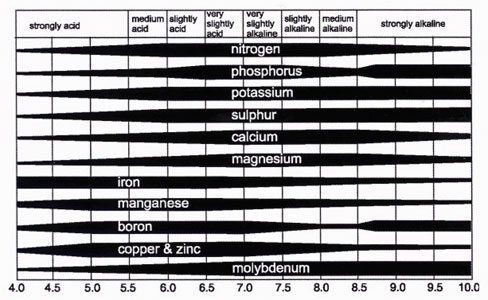
Typically in alkaline soil conditions there are issues with less mobile nutrients being bound to insoluble soil parent materials such as alkali earth metals like calcium and magnesium. This renders the phosphoric compounds unavailable to soil water solution and root mass flow uptake.
With phosphorous being one of the most important macronutrients for early season vigor and developing maturity, having it bound severely limits the ability of plants to thrive. With less vigorous plants, they are subject to increased pressure from soil pathogens, insect damage and environmental conditions.